Water is the most essential nutrient for life. Just like humans, horses depend on water for nearly every bodily function—from regulating blood flow to carrying nutrients and aiding digestion. On average, a healthy horse should drink 5 to 10 gallons of water per day, though some may require even more depending on their size, diet, activity level, and the weather.
Without enough water, your horse can quickly become dehydrated. In fact, a horse can only survive a few days without water. Early intervention is critical to prevent health complications.
How to Recognize Dehydration in Horses
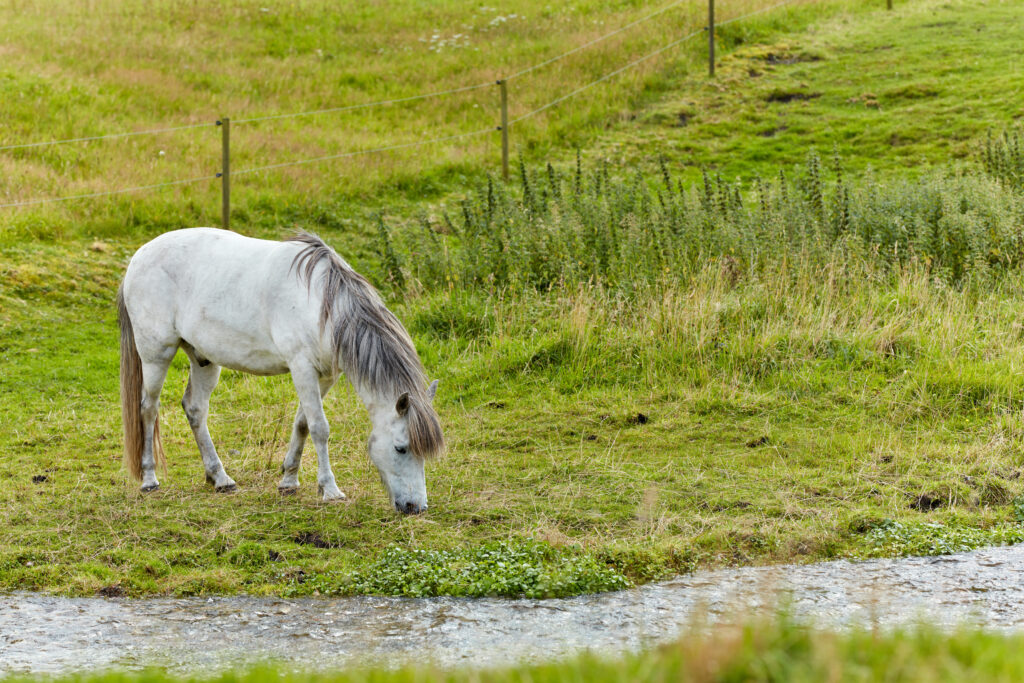
Dehydration happens when your horse loses more water than they take in through drinking. This can occur from sweating, urination, breathing, or digestion. If dehydration progresses, your horse may face serious issues such as kidney problems, muscle weakness, digestive blockages, or even death.
Early Warning Signs
- Eating less roughage or grain
- Reduced energy and physical activity
- Mild dehydration when body weight drops by 3% (risk of impaction colic)
Advanced Signs
- Sunken eyes
- Dry or sticky gums
- Prolonged skin tenting when pinched
- Dark, thick urine
- Reduced urination
Factors That Affect How Much Water a Horse Drinks
The amount of water your horse needs depends on several internal and external factors:
- Body weight: Horses typically drink about ½ gallon of water for every 100 pounds of body weight on a cool day.
- Activity level: Horses in training, competing, or working in hot conditions may need double or triple the average intake.
- Diet: Horses eating more dry forage require more water than those on lush pasture.
- Weather: Hot or humid climates increase water loss through sweating.
- Health status: Illness or stress can decrease water consumption and raise the risk of dehydration.
Practical Tips to Keep Your Horse Hydrated
Provide Unlimited Clean Water
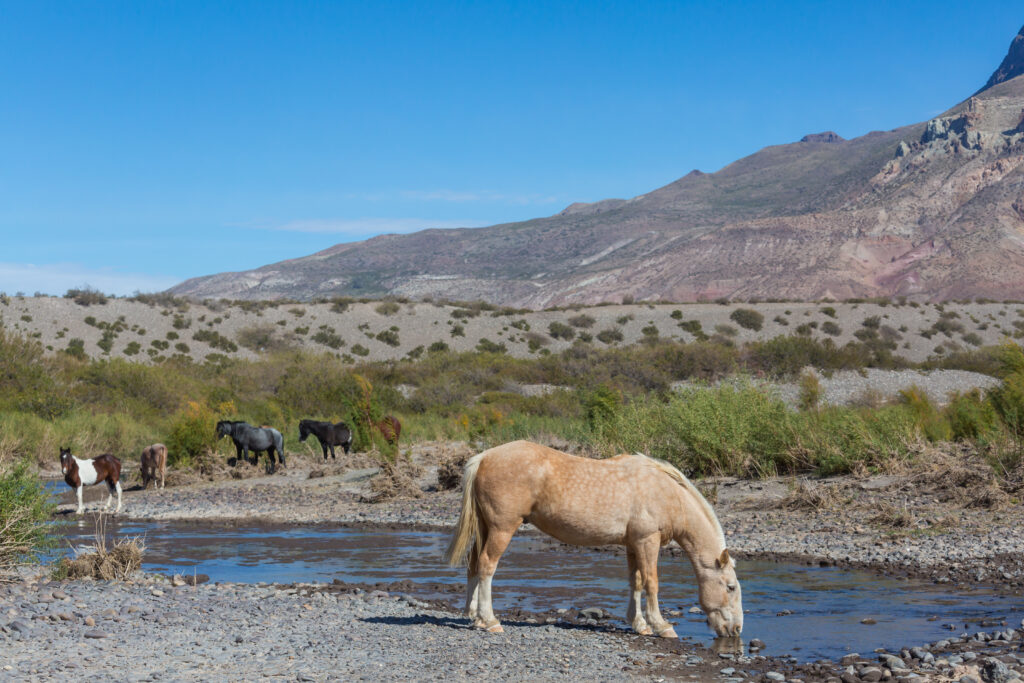
Always give your horse free access to fresh, clean water. Avoid stagnant or dirty sources that may contain harmful bacteria, pesticides, or fertilizers.
Watch the Temperature
Many horses dislike very cold or very hot water. In winter, warming the water slightly can encourage drinking, but be careful with electric heaters that could shock your horse.
Track Water Intake
If you’re concerned about hydration, stall your horse temporarily and measure their water intake with buckets. Check buckets at least twice daily to ensure they don’t run out.
Manage Water Taste
Horses may reject water that tastes different when traveling. Some owners use Kool-Aid or flavored mixes at home so their horses recognize the same taste on the road.
AND PLEASE –Don’t Rely on Snow
Snow will not provide enough fluid intake and should never replace clean water.
Final Thoughts: Monitoring Your Horse’s Hydration
So, how much water should your horse drink? On average, 5–10 gallons per day is a good baseline, but age, size, workload, diet, and weather all play a role. The best thing you can do is spend time with your horse and monitor their daily drinking habits. A horse owner who knows their horse well is far more likely to spot changes early—when they’re easiest to correct.